
The Juvenile Justice Initiative works to ensure justice, racial equity and human rights for all children and young adults in conflict with the law.
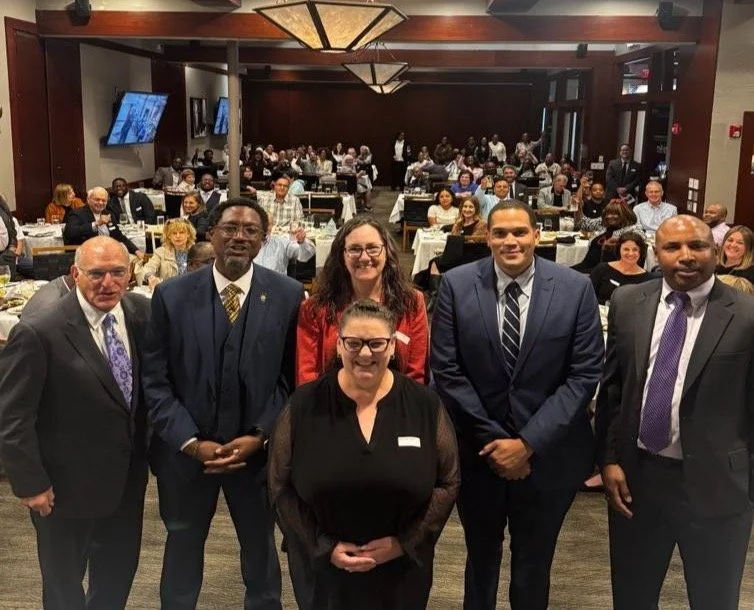
THANK YOU TO ALL WHO ATTENDED OUR 2026 FUNDRAISER!
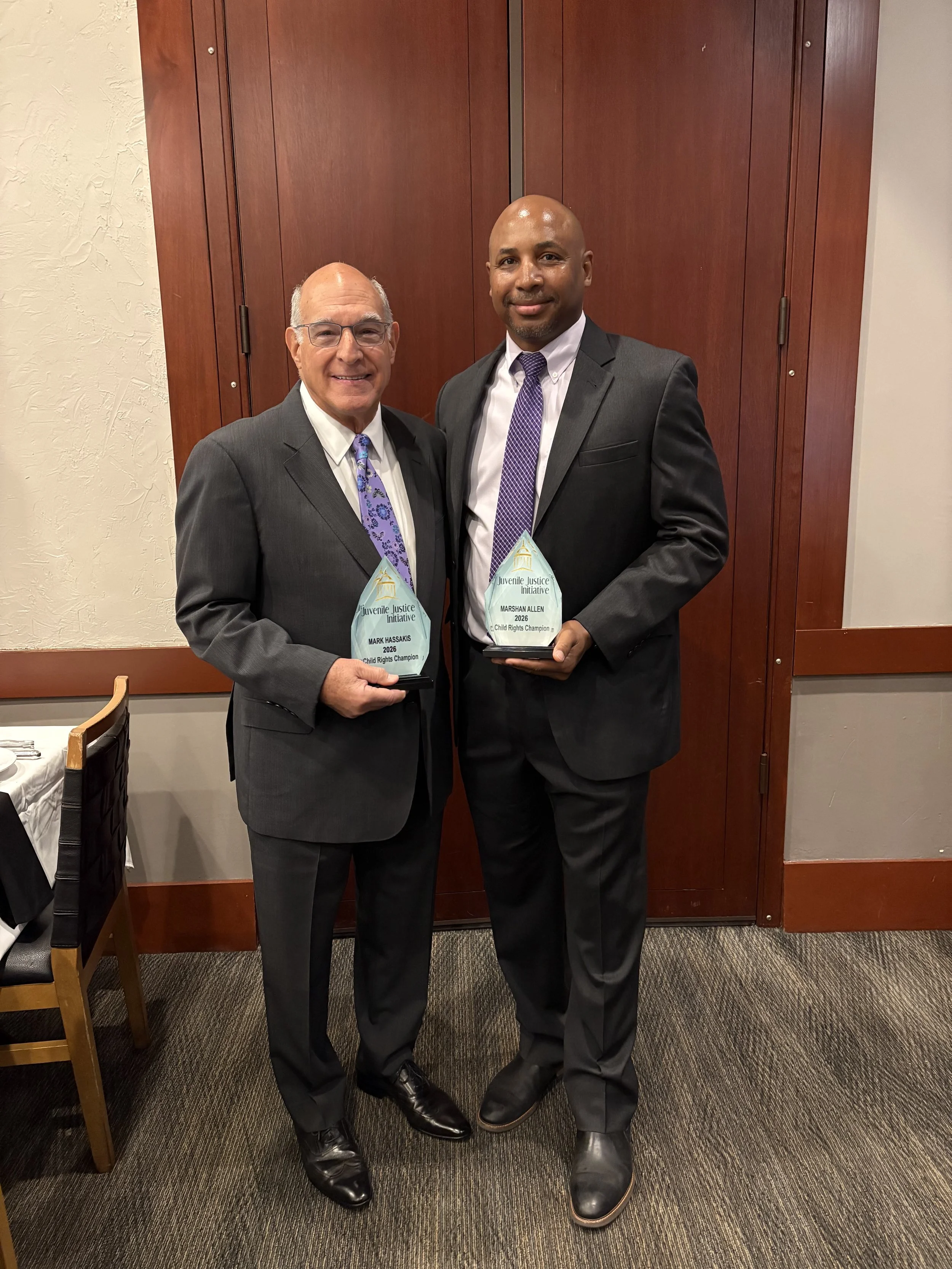
CONGRATULATIONS to our 2026 HONOREES:
MARK HASSAKIS, Founder of the M.Denny Hassakis Fund, IL Bar Foundation
MARSHAN ALLEN, Director of Public Policy & Communications at the Illinois Prison Project
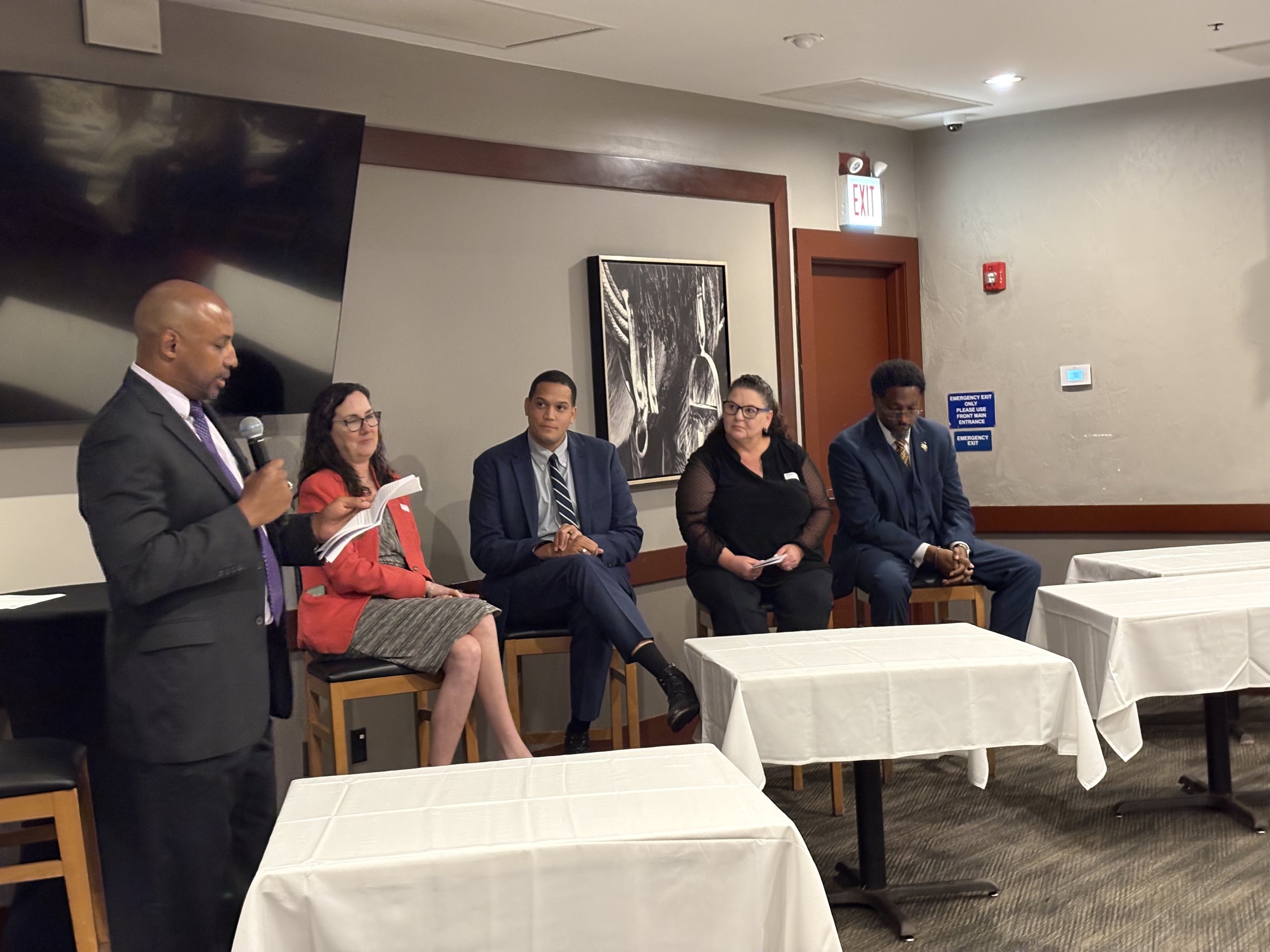
AND MANY THANKS TO OUR THOUGHTFUL AND ELOQUENT PANELISTS:
Moderator Marshan Allen – We must treat a young person who comes into contact with the juvenile justice system as a child first.
State Rep. Kelly Cassidy – We can treat children as children and spend the money in the front end…..or we can demonize them and spend lots more money at the back end locking them up. We need to reimagine our system – we live in a world of “this is the way we’ve always done it” and our job is to say, but why?
State Sen. Robert Peters – In Germany we saw a system based on human rights, with human dignity being inviolate written into their constitution…..We have lost the hopeful sense of imagination about what we can do in this country – going to Germany was an eye-opening experience that we can do better.
State Rep. Maurice West – When we got to Northern Ireland, the thing that really shocked me came down to a basic principle – when we think about our children, they’re children but when they mess up they become “juveniles”. When we talked to the stakeholders in Northern Ireland they all said the thing we have to remember is that they are children and we have to operate and treat them as such….
Illinois Probation Leader Carla Stalnaker – We need to treat all children with respect and dignity when they are in the system – being treated as a person and called by one’s name can make a huge difference.
VIEW a recording of the panel discussion HERE
Questions? Email us at reimaginejuvjustice@gmail.com
Rep Cassidy sent out a followup email to her constituents:
On Wednesday, I was pleased to join with my colleagues Rep. Maurice West and Sen. Robert Peters along with Carla Stalnaker of the Probation Officers Association at the Juvenile Justice Initiative’s annual brunch. In a panel discussion moderated by Marshan Allen from the Illinois Prison Project, we each shared our experiences visiting the youth justice systems of Belfast, Northern Ireland and Hamburg, Germany over the last couple of years. Each of these countries has taken on an amazing transformation of how their justice systems address criminal activity by young people.
In both cases, the system is grounded in the United Nations Convention on the Rights of the Child and centers the fact that the person in question is a child rather than centering the crime they are accused of. Every decision is based on the need to ensure that consequences are developmentally appropriate and designed to restore a young person to full inclusion in society.
As someone with family members who have encountered our country’s juvenile justice system, I’ve seen firsthand the challenges and harms a system that imposes adult punishments on children can do. I often talk about reentry from the perspective of our adult prison system and ground my work in that space in the reality that the vast majority of people in prison will be eventually returning to our communities. In the juvenile system, where life without parole has been found unconstitutional by the United State’s Supreme Court, that number is even higher.
What I found most remarkable about our visit to Northern Ireland was that there was no sense that the professionals in the Youth Justice Agency discounted the actions of the most serious of enders they encountered or saw the person’s youth as an excuse for their behavior. Rather, all cases are treated with intense care and everyone involved is invested in identifying the causes of the breakdown in a young person’s behavior and addressing those issues while seeking accountability for the youth’s actions. Secure detention is reserved for the most intense cases, but even then there is a plan in place to utilize the time in care to maximize the young person’s chances of successful reentry and a successful adult life.
Transforming juvenile justice to be a humane and effective Child First system takes a village - and you all are leaders in this movement to reimagine justice for all our children in Illinois, the home of the world's first juvenile court.
We will keep you informed as the Child First Task Force begins meeting this fall.
Restorative Justice legislation
HB4639 encourages juvenile courts to consider restorative justice alternatives where programs exist. See our fact sheet on HB 4639 for more information.
IL lawmakers advance new approach for juvenile sentencing
By Judith Ruiz-Branch, Public News Service, April 23, 2026
"A bill that would ask courts to incorporate restorative justice principles into the juvenile sentencing process in Illinois is one step closer to becoming law."
.... "Patrick Keenan-Devlin. executive director and youth defense attorney at the James B. Moran Center for Youth Advocacy, said the philosophy focuses on reparation instead of punishment through efforts such as community mediation programs. He said the approach holds those who’ve caused harm accountable while also seeking to address the needs of both the victim and youth offenders."...
The proposed legislation is based on research. A new report by Richard Mendel from the Sentencing Project, Restorative Justice Diversion: A Better Way to Provide Meaningful Accountability for Youth,reviews the use of restorative justice programs in the juvenile system in the U.S. and concludes they provide better outcomes for all parties and are particularly effective for victims. Author Richard Mendel presented the findings in the report earlier this month - you can view his presentation at: RESTORATIVE JUSTICE DIVERSION PRESENTATION
The proposal is modeled after reforms in Northern Ireland, where over two decades of a juvenile justice system based on children's rights and restorative justice has proven successful in reducing the number of children coming into the system and reducing juvenile incarceration while providing greater victim satisfaction and expanding community peace-building skills and resources - see a recent presentation on the Child First restorative justice approach: CHILDFIRST
Illinois Law on Detention of Children Soon to Change……
The Juvenile Justice Initiative convinced Illinois stakeholders to begin to raise the minimum age of detention of children from 10 to 13, beginning on July 1, 2026.
Public Act 104-0449 (Representatives Slaughter and Andrade, Jr.; Senators Peters, Ventura and Collins) will gradually end the practice of detaining young children by raising the minimum age from 10 to 12 beginning on July 1, 2026; and subsequently raising the minimum age to 13 (with a few carve outs for 12 year olds with specified serious offenses) by July 1, 2027. The new law also creates reporting mechanisms to document any gaps in services for this young population.
The number of children impacted by these changes is small - virtually no ten year olds were detained over the past 3 years, and only an average of one/month of eleven year olds were detained anywhere in IL between 2022-2024. But the negative impact on such young children is profound, and this reform gives communities the opportunity to realign programs and services to change the trajectory of these young lives for the better.
To that end, the bill also creates a Child First Reform Task Force to propose community-based alternatives (including restorative justice)to juvenile detention as well as consider the conditions and administration of individual juvenile detention centers, and strategic planning for a unified systemic delivery of a comprehensive continuum of services and alternatives to detention and juvenile system involvement. This comprehensive review is critical (see our report from last Spring on the systemic failures in our state's juvenile detention system - JJI Detention Report )
The Child First Task Force is modeled on Child First Justice in Northern Ireland - see a powerpoint summary of Child First Justice.

Lawyers for Children at risk of Adult Trial/Sentencing
Two bills - one in the House HB4640and one in the Senate SB2973prohibit the use of statements in adult court made by children under the age of 18 during custodial interrogation unless they have a lawyer throughout the interrogation. Young people under age 18 (who cannot vote, drink, or marry) are at risk of adult prosecution/sentencing based onstatements made during interrogation – they need a lawyer because the transfer provisions allowing for adult sentencing of a child are extremely complex (judicial transfer, presumptive transfer, mandatory transfer, extended jurisdiction juvenile, etc) making the decision to give a statement so complex that they need the advice of a lawyer. See JJI Fact Sheet.
We Believe Detention or Incarceration Must Be a Last Resort
Article 37(b) of the Convention on the Rights of the Child states unequivocally that “No child shall be deprived of his or her liberty unlawfully or arbitrarily. The arrest, detention or imprisonment of a child shall be in conformity with the law and shall be used only as a measure of last resort and for the shortest appropriate period of time”.